
How to spend 4 days in Prague: a comprehensive guide.
I lived nearly 20 years of my life just on the other side of the border from Prague. As life often goes, we travel far in search of adventure and forget the breathtaking places sitting right in front of us. That happened to me, and I’ll admit it with a little shame: for those 20-odd years, I never once crossed the border to spend time in the capital of the Czech Republic. Eventually I couldn’t live with that any longer, and I planned a trip to Prague, where I spent nearly a week wandering its streets, eating its food, and getting to know its people. With limited time to explore properly, I followed the plan below, everything you need for 4 days in Prague, with a few extras if you want to fill the days even more.
I like being a bit of a lazy bum when I visit beautiful places, so when I finally got to Prague, I explored it slowly. What follows is the itinerary I’d recommend, although it took me a little longer than strictly necessary to get through it — you know, the coffees, the corners, the just-five-more-minutes-on-this-bridge moments. I’m a stop-and-smell-the-roses traveller, and Prague rewards that kind of pace better than almost anywhere else I’ve been.
Disclosure: Please note that this post included affiliate links, when you decide to purchase anything through these links I get a small commission at NO extra cost to you, it helps me to keep running this blog! I only promote products and services I use or would use myself. All images are the property of Postcards from the World and cannot be used without permission.
Where to stay if you have 4 days in Prague
Old Town (Staré Město): Old Town is the heart of Prague, known for its stunning medieval architecture, historic landmarks like the Astronomical Clock, and vibrant atmosphere. Staying here puts you within walking distance of major attractions, charming cobblestone streets, and a wide range of restaurants and cafes.
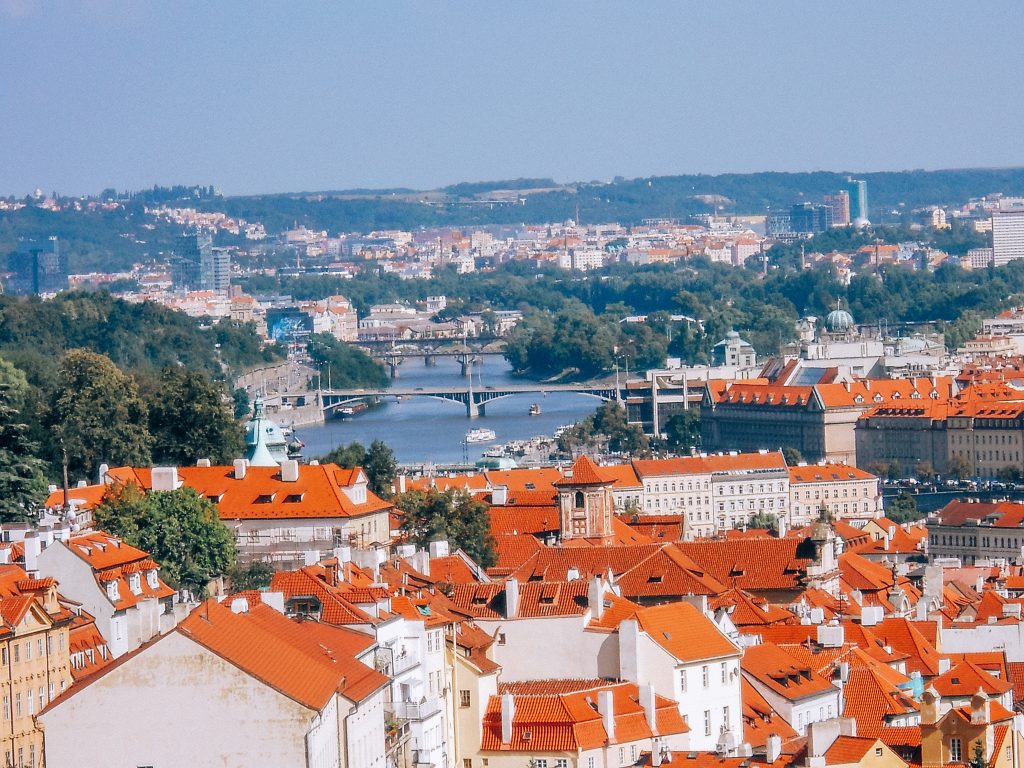
Malá Strana (Lesser Town): Nestled beneath Prague Castle on the left bank of the Vltava River, Malá Strana is characterized by its Baroque architecture, picturesque squares, and narrow alleyways. This area offers a quieter, more romantic atmosphere while still being close to the city center.
Josefov (Jewish Quarter): Located between Old Town and the Vltava River, Josefov is rich in history and culture. It’s home to several synagogues, the Jewish Cemetery, and the Jewish Museum. Staying here provides easy access to historical sites and a glimpse into Prague’s Jewish heritage.
Vinohrady: This residential neighborhood is known for its tree-lined streets, Art Nouveau buildings, and trendy cafes. Vinohrady offers a more local experience away from the tourist crowds while still being well-connected to the city center by public transportation.
Žižkov: Žižkov is a bohemian district known for its alternative vibe, eclectic street art, and lively nightlife. Staying here gives you a taste of Prague’s underground scene and access to quirky bars, cafes, and music venues.
No matter which area you choose, Prague’s efficient public transportation system makes it easy to explore the city’s many attractions. Consider your preferences for atmosphere, convenience, and proximity to attractions when selecting the best area for your stay in Prague.
Best tours in Prague worth taking
- Walking tour and cruise with authentic Czech lunch
- Medieval dinner with live performance
- Foodie tour (by the way, this tour received thousands of 5-star reviews and is one of the best you can take)
- Communism and nuclear bunker tour (a unique experience)
How to plan 4 days in Prague
Day 1: Old Town and Charles Bridge
Join a free walking tour
This is a great way to start your visit. The main reason I like joining walking tours is that I get a feel for the main attractions, learn some history, and — when travelling solo — get the chance to meet other travellers. There are many walking tours in Prague; head to the Old Town Square, where guides typically meet their groups near the Astronomical Clock around 10am, and join whichever one suits your interest.
Visit the Old Town Square
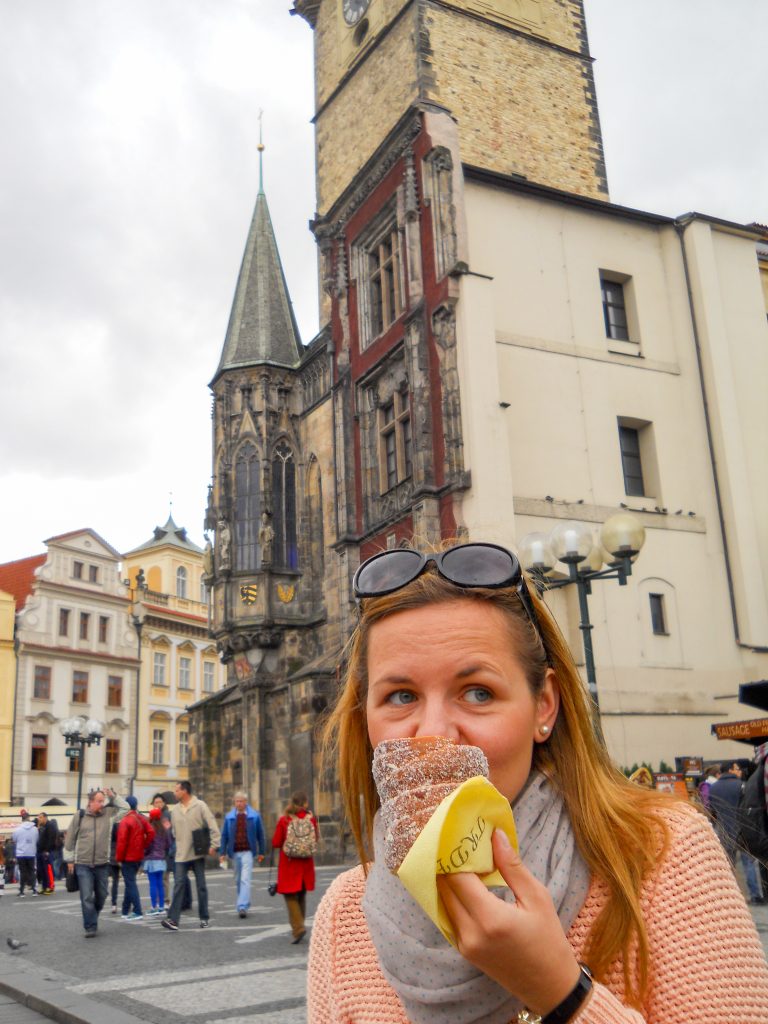
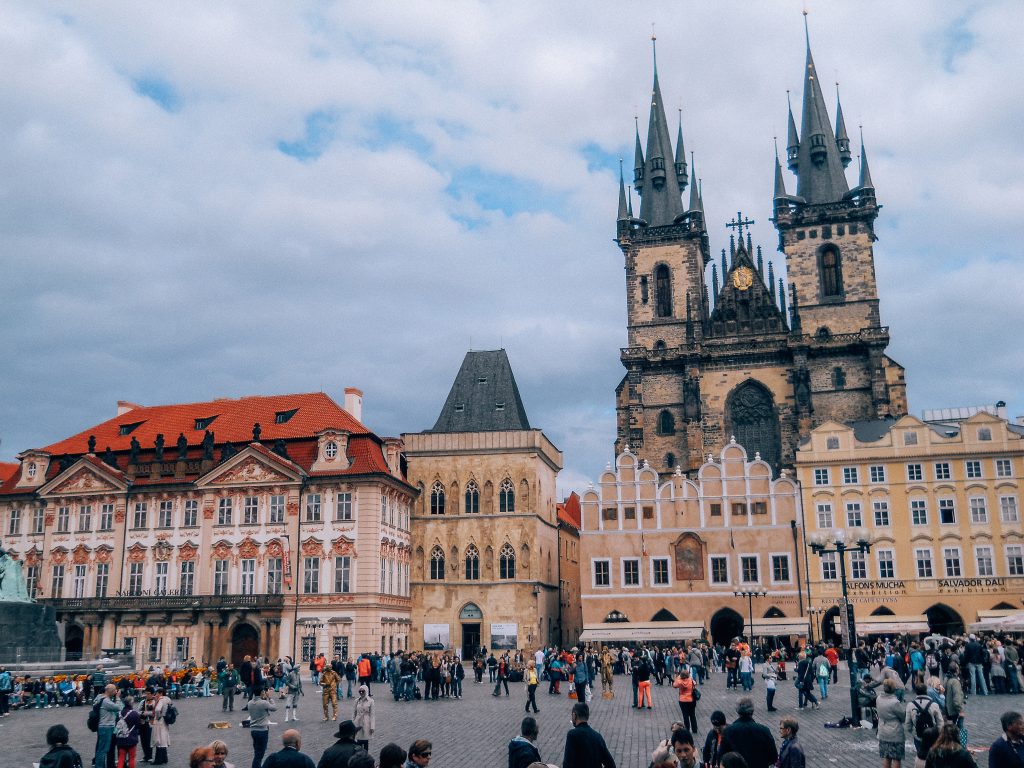
I love the main squares in Eastern European old towns. They’re full of history, packed with detail that never gets boring, and this is usually where things happen. Prague’s Old Town Square is no exception. Hang around, listen to the live music, admire the street artists, grab a local sweet treat, and just soak in the atmosphere.
What to see at the square:
Astronomical Clock — This causes more excitement among tourists than almost anything else in the city. Beautifully decorated, it’s arguably the most striking clock in Europe. Every hour, crowds gather to watch the chime and see the twelve apostle figures move during the announcement.
The catacombs — Beneath the square lies a series of catacombs that were once medieval houses, now open to explore.
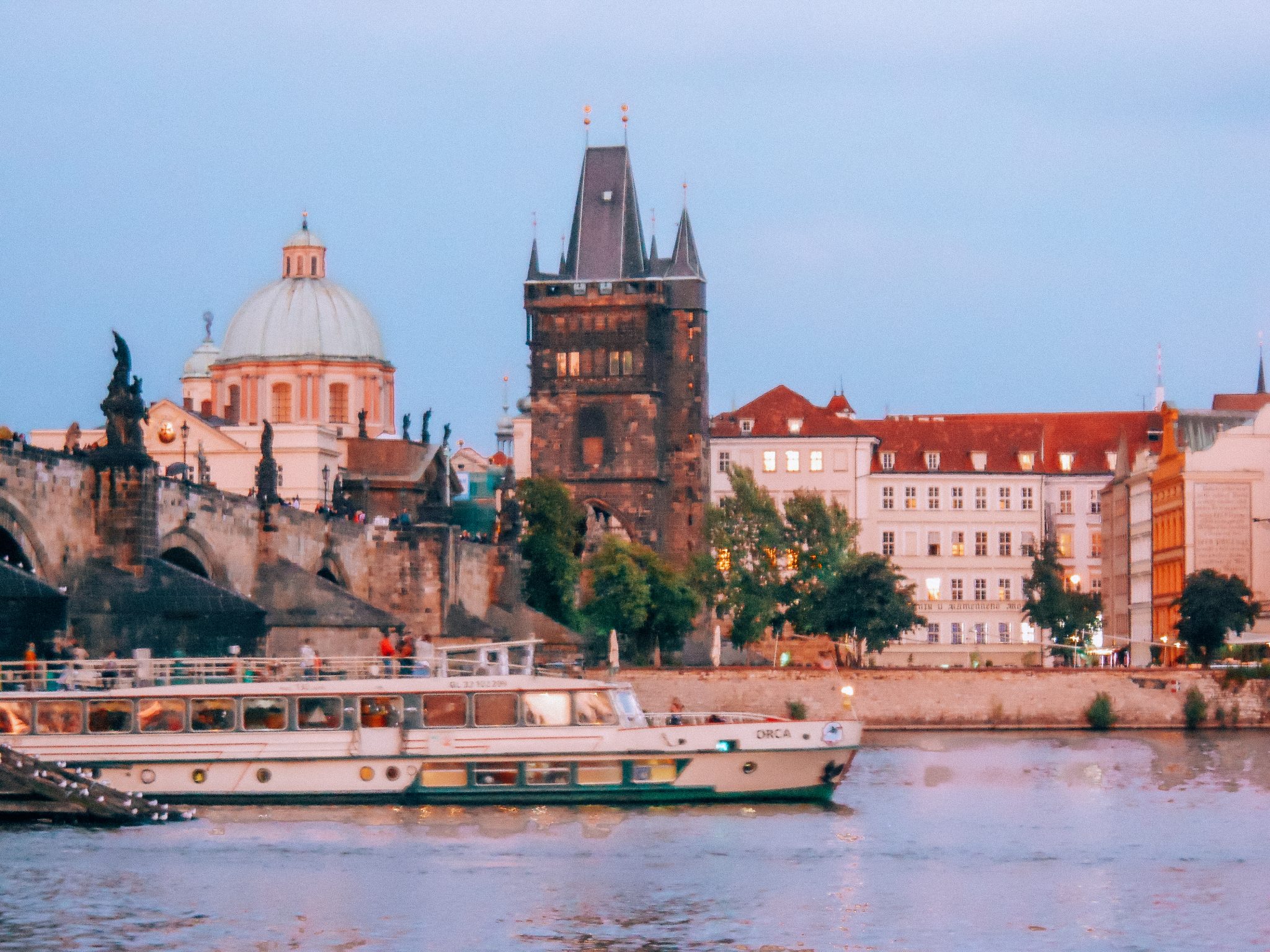
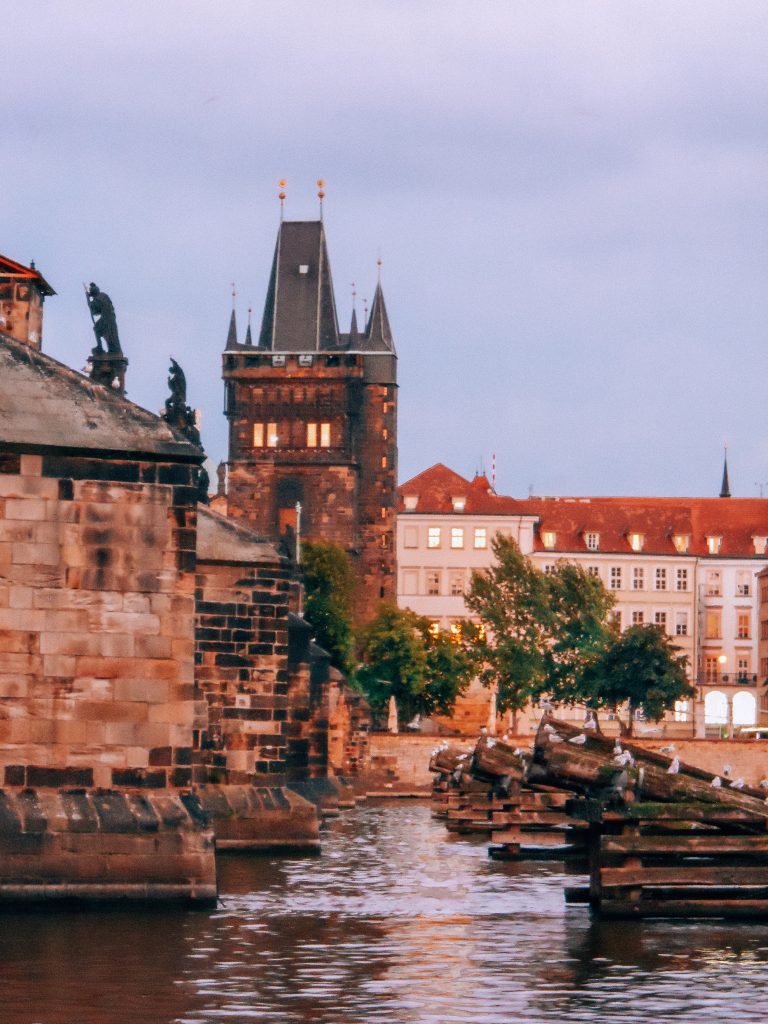
Watch the sunset from Charles Bridge
This stone bridge is probably the single most iconic image of Prague. Decorated with statues and steeped in history, it should be near the top of your list. It’s almost always crowded — clearly I’m not the only one who thinks the sunset here is worth it.
Day 2: Dancing House, Josefov and Letná Park
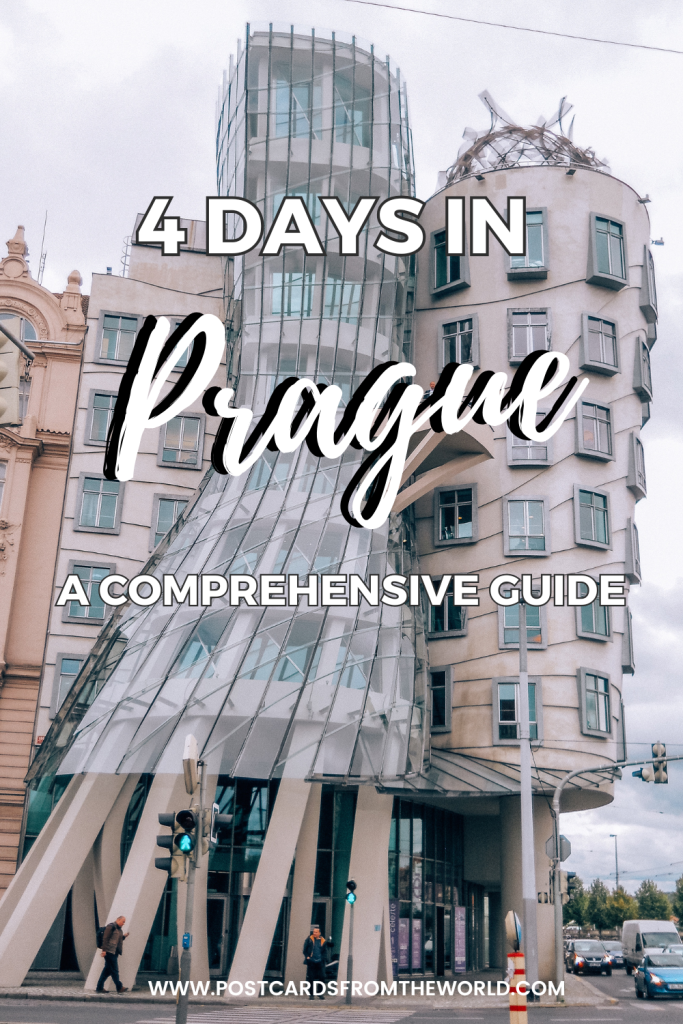
The Dancing House
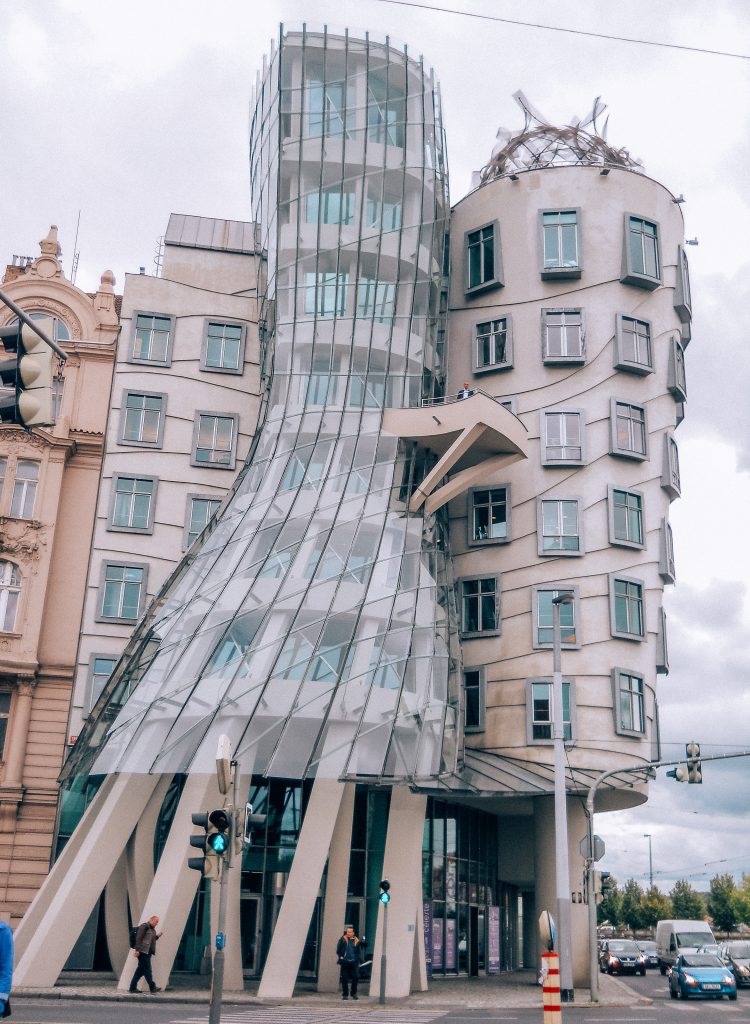
Also nicknamed “Ginger & Fred,” the Dancing House is a striking modern building set among Prague’s historical architecture, right on the Vltava. Designed by Vlado Milunić in collaboration with the renowned Frank Gehry, it’s worth a stroll along the river to see it properly, and the area around it makes for a pleasant walk.
Josefov: the Jewish Quarter
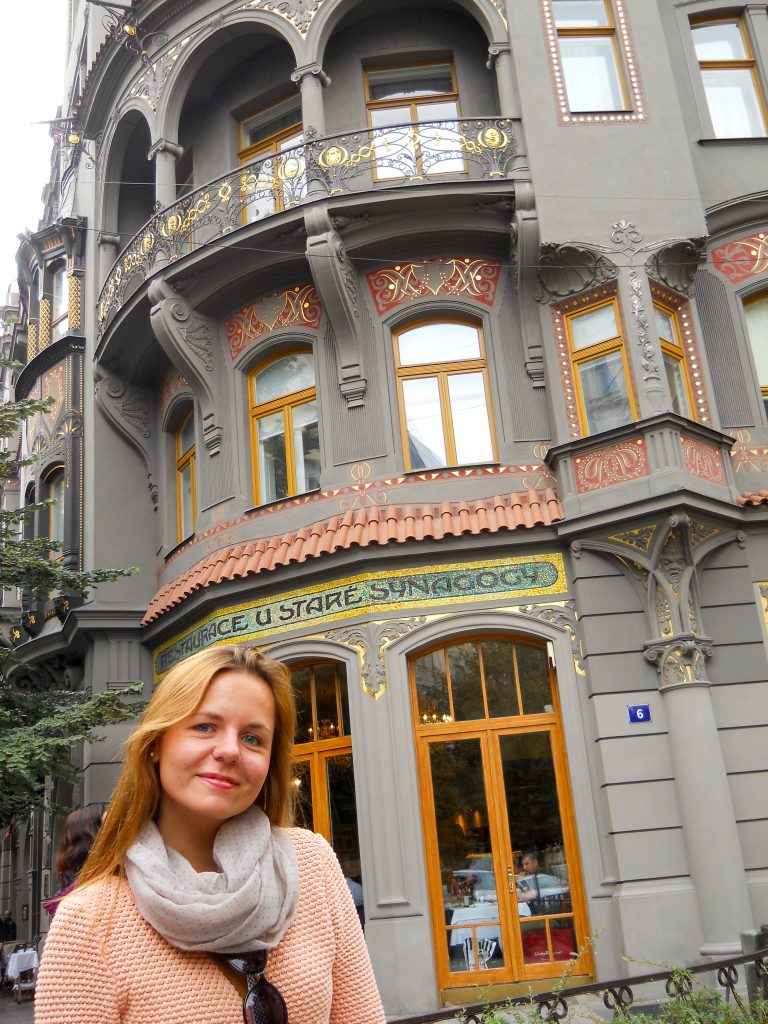
This neighbourhood is a profound source of history. Visit the Old New Synagogue, the Jewish Cemetery, and the Jewish Museum. It was once home to one of the largest Jewish communities in Europe, and the quarter was deliberately spared during the war, with plans (chillingly) to turn it into a museum of a vanished people. Today it stands as a place of memory and education rather than the dark purpose originally intended.
Letenské Sady (Letná Park)
Just across the river from the Jewish Quarter, this grassy park is a lovely place to slow down and take in a sweeping view of the city. The best vantage point is from the Hanavský Pavilion, one of the city’s most striking Art Nouveau structures.
Day 3: Prague Castle complex
Prague Castle (Pražský hrad)
Head up into the Hradčany district to visit Prague Castle, one of the largest ancient castle complexes in the world. Within its walls you’ll find several of Prague’s most significant sights in one place: St. Vitus Cathedral, St. George’s Basilica, Golden Lane, and the Powder Tower. In the evening, you can often catch a classical music concert within the complex — a fitting way to end the day.
Golden Lane (Zlatá Ulička)
Inside the castle complex, this tiny cobbled street is lined with houses so small they look better suited to gnomes than people. Built at the end of the 16th century, it was once home to a mix of the rich and poor, artists and clerks. House number 22 was once home to Franz Kafka.
Powder Tower
This tower takes its name from its 17th-century role as a gunpowder store. Its history goes back further still, to the 11th century, when it served as one of the city’s 13 original entrances.
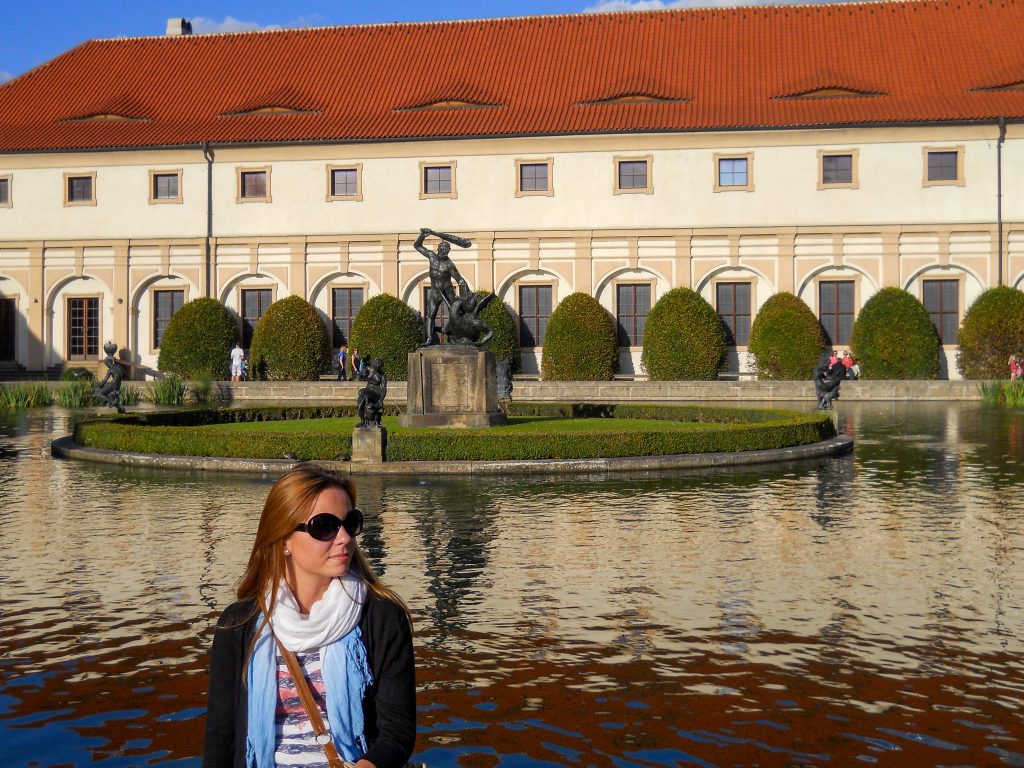
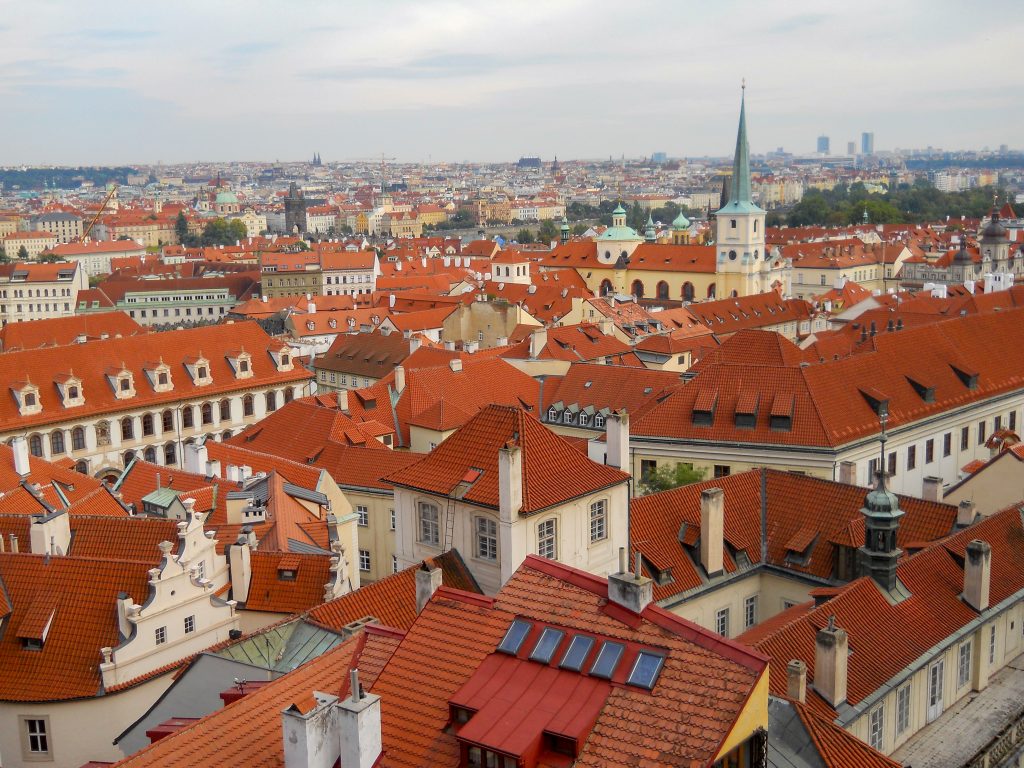
Day 4: John Lennon Wall and slow wandering
The John Lennon Wall
After Lennon’s death, he became something of a peace icon among young people in Czechoslovakia. His face and lyrics from his songs were painted onto this wall, and local authorities never managed to keep up with the graffiti. Today it stands as a recognised symbol of peace and love, repainted and added to constantly by visitors.
Wander the streets of Prague
This, honestly, is my plan for every day in Prague. The cobbled streets, the historic buildings, the colour at every turn — none of it gets old quickly. Before I leave any destination, I like to soak in the atmosphere one last time, and there’s no better way to do that than an unhurried walk. And, of course, I wouldn’t be myself if I didn’t tell you to try the sweet treats from the street vendors along the way.
Prague is one of the most beautiful cities I’ve visited, and 4 days was genuinely not enough. It took me far too long to finally go, but I was charmed, and I know it won’t be my last visit.
This plan does include the main attractions you can visit in Prague and if is intended to provide an idle and relaxing visit…no hurry. But if you rather prefer to pack your days to the limits, there are a few more things you can do:
- Visit Kafka Museum
- See a concert. Prague is heaven for ballet and classical music lovers.
- Explore Vyšehrad– a castle that dates back to the 10th century and is not very popular amongst tourists, so you won’t risk struggling in a crowd.
- One day excursion to Kutná Hora, a town located in Bohemian Region and mainly known for its church where you can see around 70.000 bones (Sedlec)… spooky!. Apart from the church, the trip the town can be quite pleasant due to its medieval buildings and lovely cobbled streets.
- Have endless walks along the river.

Best excursions outside of Prague
- Kutná Hora (1-day tour). Visit the UNESCO-listed town of Kutná Hora, famous for its medieval architecture and the Sedlec Ossuary (Bone Church).
Duration: Approximately 8 hours round trip.
- Český Krumlov (1 or 2-day tour). Explore the picturesque town of Český Krumlov, known for its well-preserved medieval old town, castle, and charming riverside views.
Duration: For a 1-day tour, you’ll spend around 10-12 hours round trip. For a 2-day tour, you’ll have more time to explore at a relaxed pace.
- Karlovy Vary (1-day tour). Discover the renowned spa town of Karlovy Vary, famous for its thermal springs, colorful architecture, and spa treatments.
Duration: Approximately 10-12 hours round trip.
- Karlštejn Castle (1-day tour). Visit Karlštejn Castle, a magnificent Gothic castle founded by Emperor Charles IV, located amidst beautiful Czech countryside.
Duration: Around 6-8 hours round trip.
- Terezín Concentration Camp (1-day tour). Take a sobering yet important trip to Terezín Concentration Camp, a memorial to the victims of Nazi persecution during World War II.
Duration: Approximately 6-8 hours round trip.
See also:
- A weekend in Brno- an underrated gem in Czech Republic.
- What you need to know about driving in Slovakia + 5 day road trip itinerary
- How to spend 2 days in Bratislava: a perfect itinerary for the capital of Slovakia (spring to autumn)
- Epic 3-week central Europe road trip Itinerary: must-see destinations & tips
- 20 fun things to do in Vienna alone
- Top Things to Do in Krakow for First-Time Visitors (and Why You’ll Fall in Love)
Best time to visit Prague
Spring (April to May) and autumn (September to October) tend to offer the best balance of mild weather and manageable crowds. Summer is beautiful but busy, especially around the Astronomical Clock and Charles Bridge, where the crowds can genuinely affect how much you enjoy the moment. Winter has its own charm. Prague’s Christmas markets are well known, and with fewer tourists the city feels more like the slow, atmospheric place I described in my own visit. Whatever season you choose, layer up; the wind off the river can be sharper than you expect, even in shoulder season.
How to get around Prague
Prague’s centre is genuinely walkable, and most of the highlights in this itinerary — Old Town, Charles Bridge, Josefov, the castle approach — can be reached on foot if you’re staying centrally. But the city’s public transport system is excellent and worth using, especially once your feet need a break or you’re heading slightly further out.
Tickets: One ticket type works across metro, tram, bus, the Petřín funicular and even some ferries, which makes things simple. As of late 2025, a 30-minute ticket runs around 30 CZK and a 24-hour pass around 120 to 150 CZK depending on whether you buy paper or use the Lítačka app (the app is slightly cheaper). Whatever ticket you buy, validate it immediately — there’s a fine for travelling with an unvalidated ticket, and inspectors do check.
Metro: Three lines — A (green), B (yellow), C (red) — covering the whole city efficiently, running from early morning until after midnight.
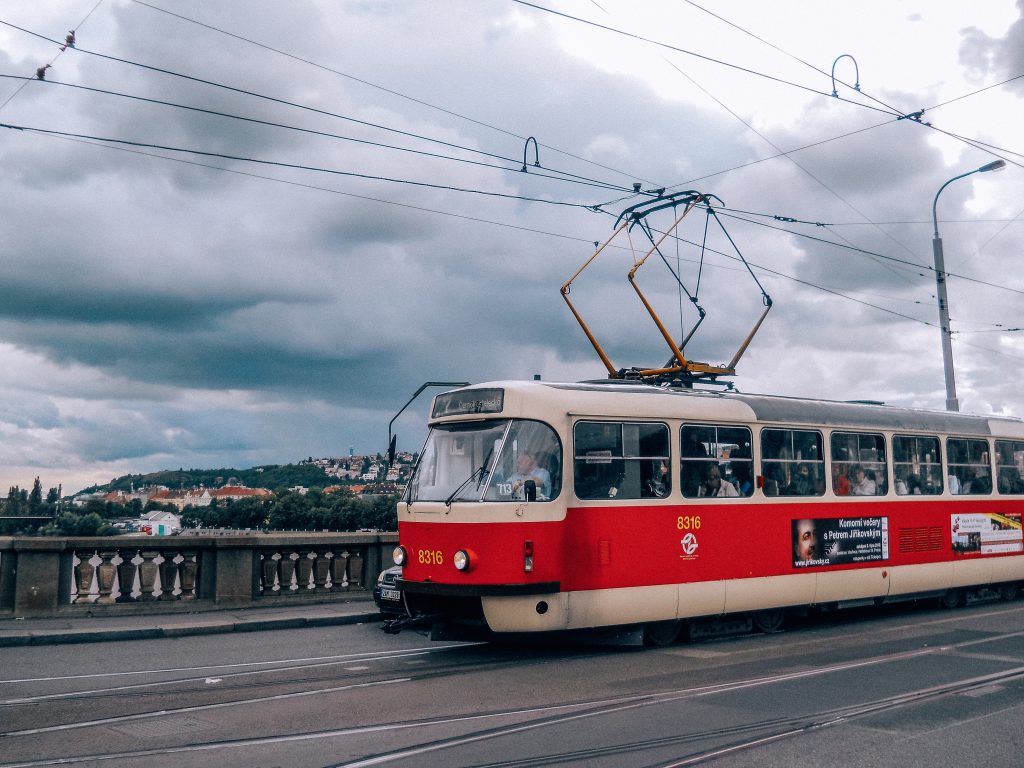
Trams: Iconic and genuinely useful, not just scenic. Tram lines 22 and 23 in particular run up toward Prague Castle, which saves you the uphill walk if you’d rather save your legs for wandering once you’re there.
From the airport: There’s no direct metro line to the airport. The easiest options are bus 119 to Nádraží Veleslavín (connecting to metro line A) or the Airport Express bus direct to the main train station, which costs slightly more but skips the transfer. Regular public transport tickets work on the standard airport buses, just not the Airport Express.
My advice: download the PID Lítačka app before you arrive. It covers tickets, real-time departures and route planning in one place, and saves you queuing at a machine in a language you don’t read.
Use my favourite travel resources to plan your dream trips
- Booking.comfor searching best prices on accommodation.
- AirHelp helps to get compensation for cancelled or delayed flights.
- Travel Payouts is my favourite platform for monetizing the blog.
- Discover Cars is a great website as they search both local and international car hire services, so you can choose the best deal for yourself. Make sure though, that the company has a good reputation and reviews.
- Get Your Guide is my place to go for searching and booking tours and excursions, especially when I travel solo.
- World Nomads and EKTA travel insurance. I like them because they have quite extensive coverage of different activities.
- WeGoTrip sends you audio guides to your mobile, so you can visit places while learning history and interesting facts easily and for little money.
- Go City is a perfect site for booking bucket list experiences and attractions all in one to avoid paying for multiple tickets. Easy and saves money. You can even save 50%.
- Trip Advisor– amazing for good quality recommendations.
- Skyscanner is a perfect website for searching flight routes and comparing prices.
- Airalo is my eSim choice for alternative data abroad.
Did you like the post? Pin it for later:


Between 12 and 20 times in Praha, I have yet to become bored with the “hlvani mesto.” As I haven’t there in some time, I’m due for another return visit. Thanks for your tips.
Dear Henry,
thank you for visiting. It is a lovely city indeed.
Thanks for the travel inspiration. I have been in Prague 40 years ago, but I guess it is time to visit it again.